
1 in 31 Children Have Autism. Alicia Calhoun Is on a Mission to Make Sure They Finally See Themselves in Children's Books

Ross: What inspired you to write your first book?
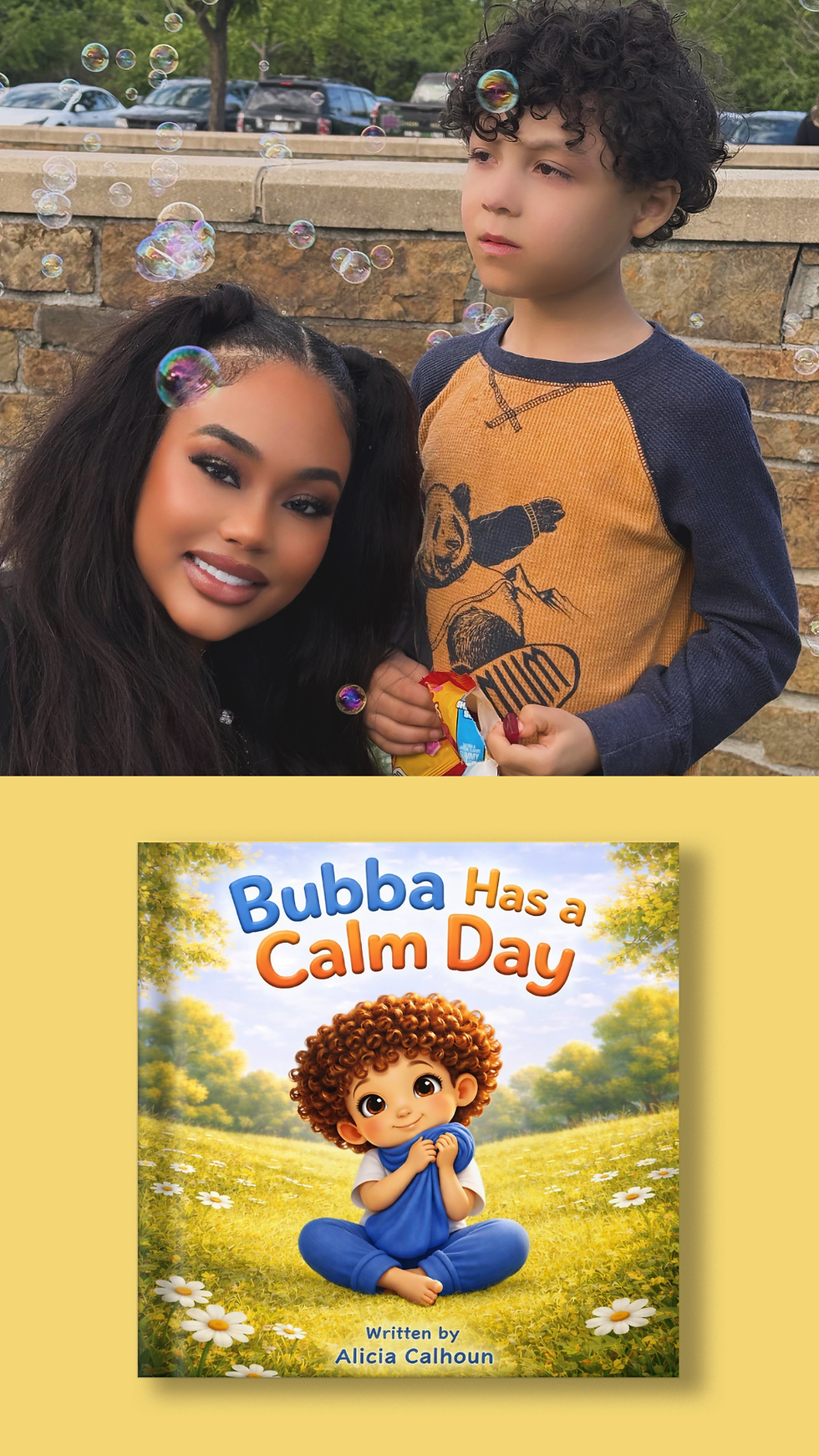
Alicia: My first book, Bubba Has a Calm Day, was inspired by my nephew Isaiah. Watching his unique way of experiencing and interacting with the world made me realize how important it is for children who communicate differently to see themselves represented in stories. I wanted to create a character who felt authentic, comforting, and relatable for neurodivergent children and their families.
Ross: When did you first get the idea to become an author?
Alicia: I’ve always enjoyed storytelling, but the idea of becoming an author truly took shape when I recognized the lack of representation for children like Isaiah in children’s literature. I felt called to create stories that celebrate differences, encourage understanding, and help children feel seen.
Ross: What do you want readers’ biggest takeaways to be from your book?
Alicia: I hope readers walk away with a greater appreciation for the many ways children experience the world. I want children to know that they are valued exactly as they are, and I want families, educators, and caregivers to see the beauty in supporting children through patience, understanding, and acceptance.
Ross: What are your professional passions and career endeavors aside from writing books?
Alicia: Beyond writing, I am passionate about advocacy, education, and creating resources that support neurodivergent children and their families. My work focuses on promoting inclusion, awareness, and meaningful representation while helping build communities where every child feels welcomed and understood.
Ross: Why was it important to show Bubba finding comfort in everyday moments?
Alicia: Many children find safety, joy, and regulation in simple daily routines and familiar experiences. I wanted to highlight those moments because they are meaningful and powerful. Showing Bubba finding comfort in everyday situations helps normalize those experiences and reminds readers that calmness, happiness, and success can look different for everyone.
Ross: What do you want educators and therapists to find valuable about your book?
Alicia: I hope educators and therapists see the book as a tool for fostering empathy, encouraging conversations about neurodiversity, and helping children understand different communication styles. The story can also serve as a gentle way to discuss emotional regulation, sensory preferences, and inclusion in classrooms and therapeutic settings.
Ross: If a child sees themselves in Bubba for the very first time, what would you want that child to know?
Alicia: I would want them to know that they are wonderful exactly as they are. Their voice matters, even if they communicate differently. They deserve to be understood, respected, and celebrated. Most importantly, they are not alone—there are people who see them, care about them, and believe in them.
Ross: What can your readers expect next from you?
Alicia: Readers can look forward to more Bubba adventures. Bubba Has a Calm Day is the first book in a growing series designed to support and celebrate neurodivergent children. I’m excited to continue creating stories that promote inclusion, representation, and understanding while introducing new experiences and adventures for Bubba and his friends.


Comments